
Français
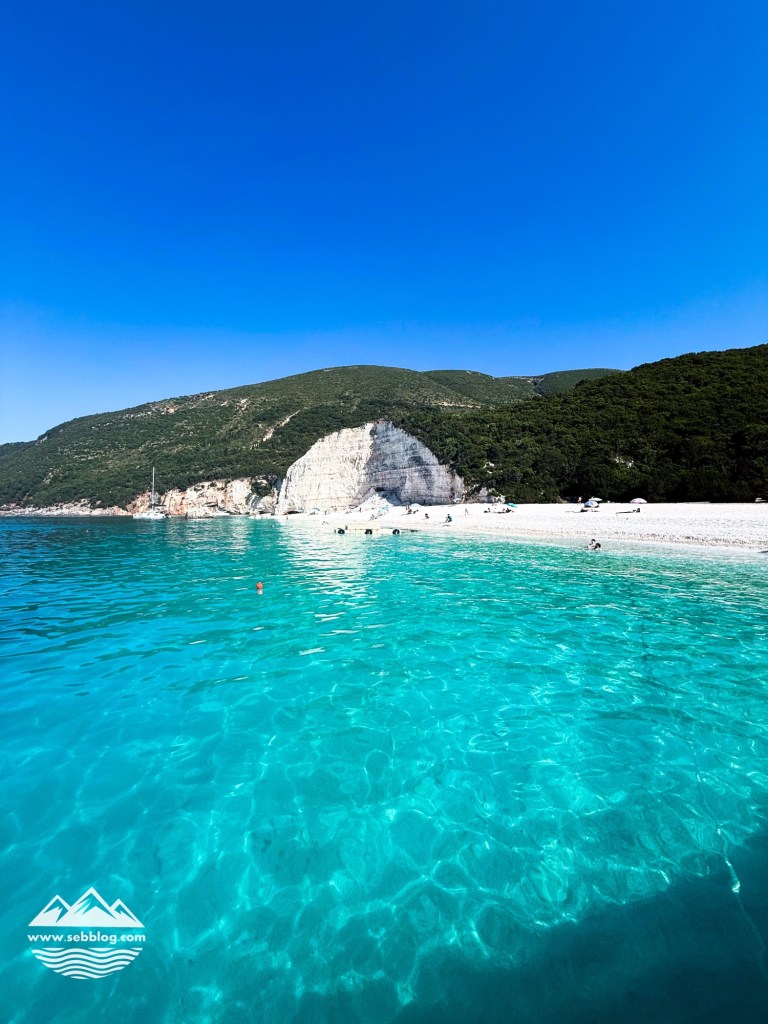
Some beaches you drive to. Fteri Beach, you earn.
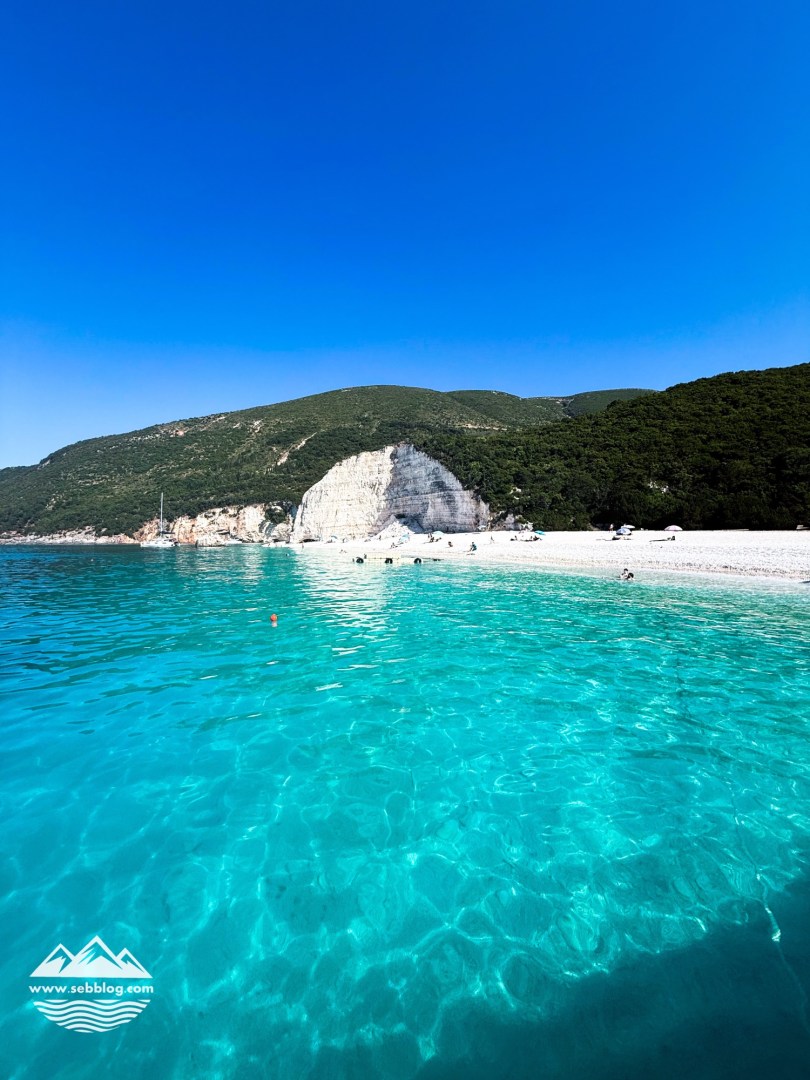
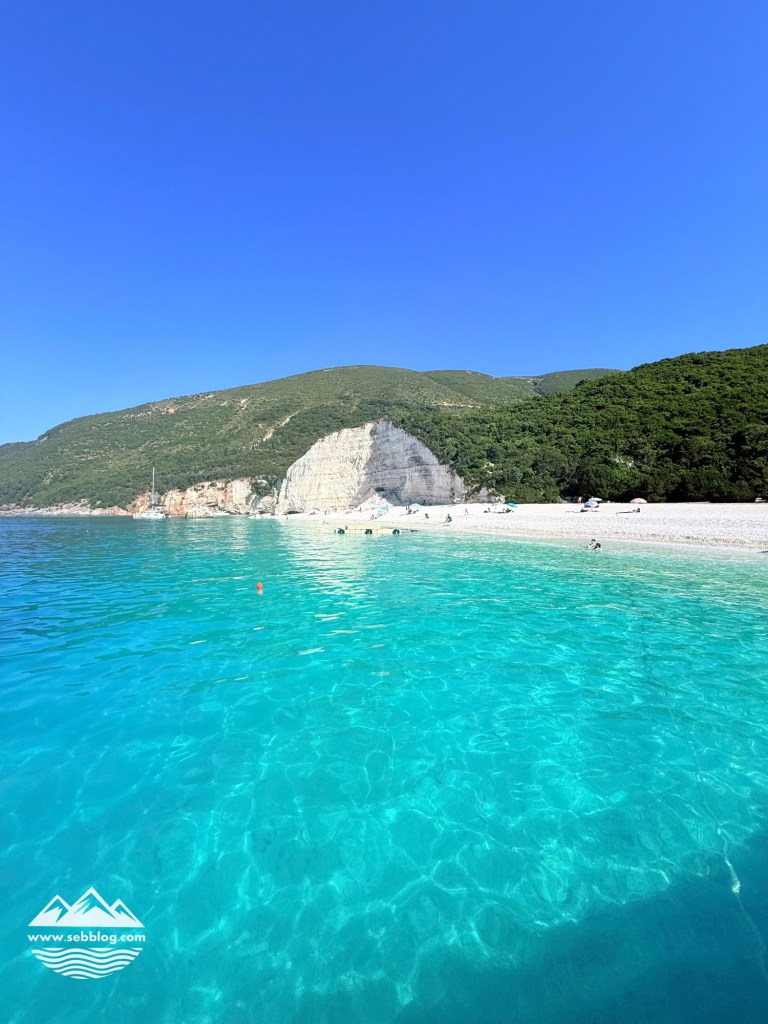
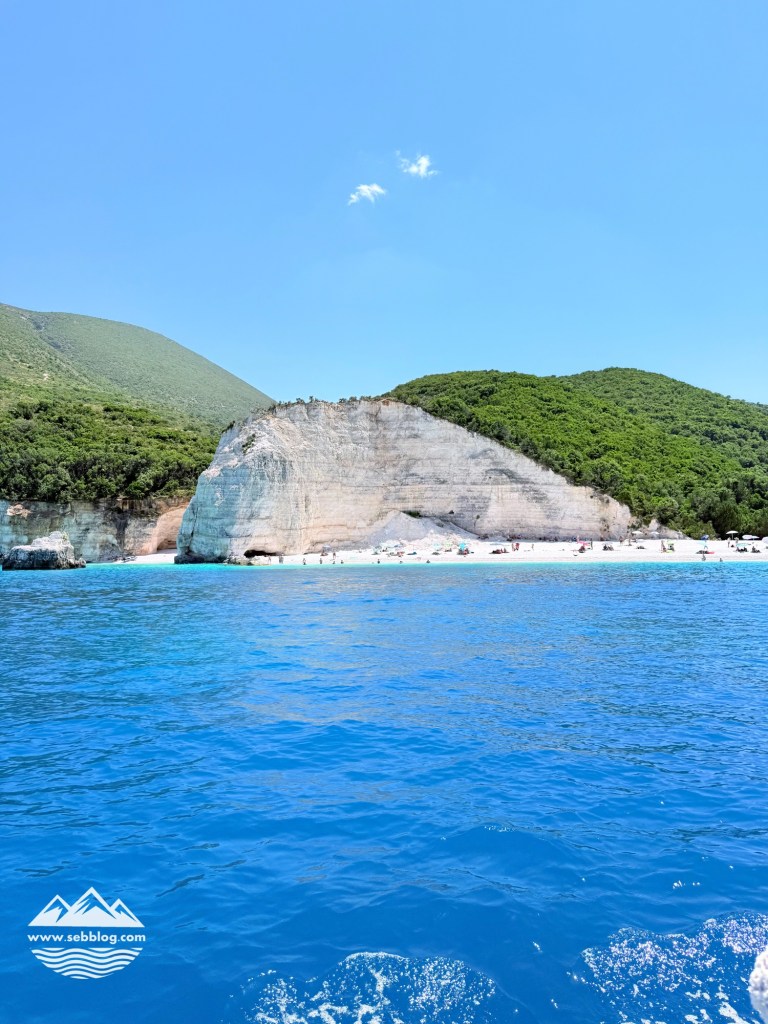
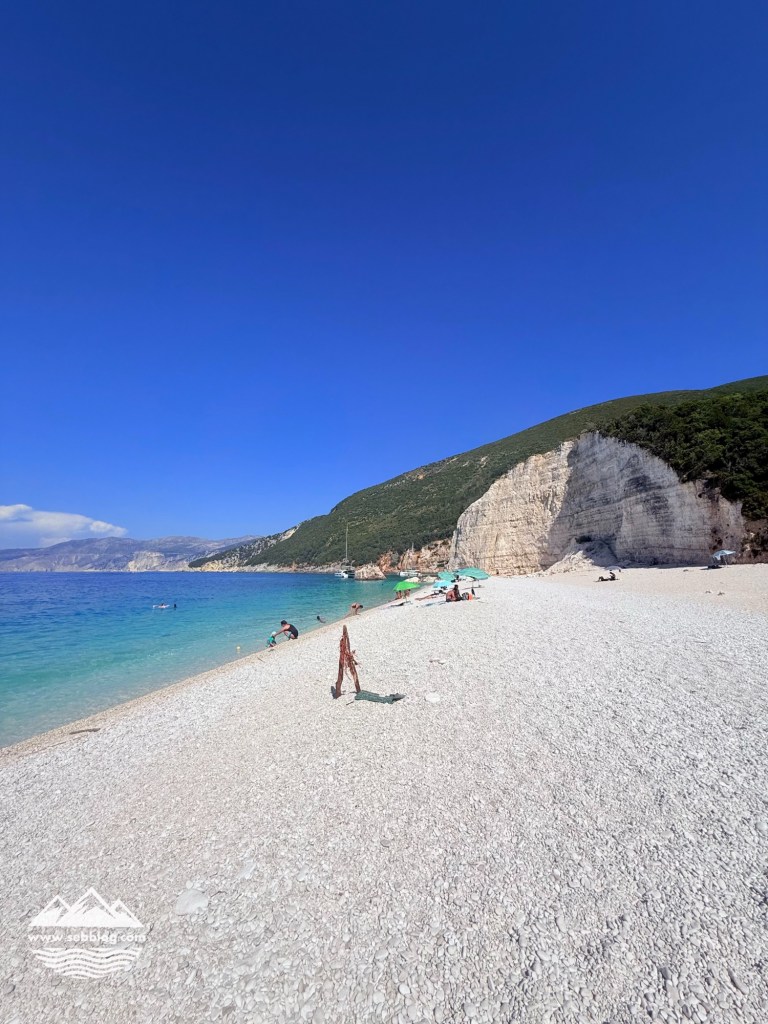
Tucked into a cove on the northwest coast of Kefalonia, Fteri has no road leading to it and nothing waiting for you once you arrive but the view. What there is: towering white limestone cliffs wrapping around water so clear and so turquoise it looks retouched, even in person. It’s the kind of beach that reminds you why “isolated” and “beautiful” so often go hand in hand.
And it’s official now. Fteri was just named the world’s second-best beach by The World’s 50 Best Beaches, a ranking based on votes from over 1,000 travel professionals, and picked up by Forbes and outlets around the globe. It also took the #1 spot in Europe. The judges called it a “magical beach with an incredible backdrop,” and having stood in that water myself, I can’t argue.
Getting there: boat or a 45-minute hike
There are exactly two ways to reach Fteri, and neither one is a formality.
By boat. This is by far the more popular option, and for good reason: it drops you right on the pebbly shore without the sweat. Boats leave from the Port of Zola, where two water taxi services operate:
• Fteri Water Taxi — the more established, more popular option. Because of that, it fills up fast, especially midday in high season. Don’t assume you’ll just walk up and get a spot.
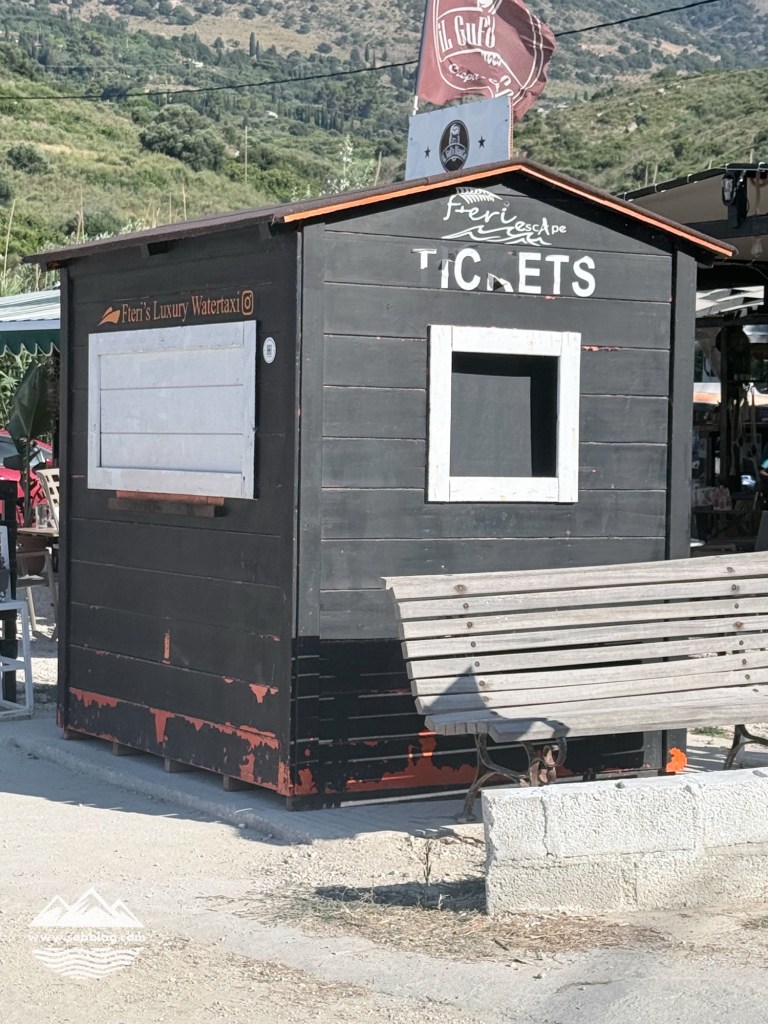
• Fteri Luxury Water Taxi — the two ticket shacks sit almost right next to each other on the pier, so this isn’t some out-of-the-way alternative, it’s just less well advertised. A small brown shack, easy to overlook if you’re only watching for the more famous name. We actually walked right past it at first, then turned around: our guess is that most people assume it’s full too, the same way the popular one often is, so they never even ask. Glad we doubled back. I showed up at 2pm without a reservation, half expecting to be turned away, and they had a spot for me on the 2:30 departure. The staff were genuinely friendly, no attitude about being the “backup” option, and they take credit card, no need to scramble for cash on the spot.
My takeaway: don’t fixate on the name-brand water taxi if it’s full, and don’t assume the other shack is full just because everyone else seems to be walking past it. It’s right there, no detour needed, and the ride out is the same jaw-dropping approach either way, cliffs rising on both sides as the boat rounds into the cove.
One thing to know before you book: it cost us 40 euros round trip for two people, and the return isn’t flexible. You’re assigned a set pickup time, and you can’t just hop on whichever boat happens to pull in next. Plan your time on the beach around that window.
On foot. If you’d rather skip the boat altogether, there’s a hiking trail down to the beach, roughly 45 minutes each way. It’s steep and there’s no shade, so this is a real hike, not a stroll: proper shoes, water, and an early start if you’re doing it in summer heat.
What to actually expect once you’re there
Nothing. And that’s the point.
No restaurant, no bar, no bathroom, no rentals. Whatever you bring in, you bring out, including your trash, since keeping Fteri this pristine is exactly why it ranks where it does. Pack water, snacks, sunscreen, and a beach towel, because there’s no shop to bail you out if you forget something.
What you get in exchange is a beach that still feels wild. The cliffs curve around the cove almost protectively, the pebble-and-sand shore slopes gently into water so transparent you can watch the seabed shift colour as it deepens, and aside from the low murmur of other visitors, it’s just wind and water. No music, no crowds pressing in, no umbrellas blocking the view.
And the water itself stood out, too: of every beach we visited in Kefalonia, this was the warmest by far. The sheltered cove probably has something to do with it, but whatever the reason, it made the swim that much better.
Practical tips
• Go early or go with a plan. High season (July–August) gets busy and boats fill up. If you can visit in June or September, you’ll trade a bit of crowd for a lot more peace.
• Credit card works. No need to plan around cash for the water taxi ticket booths, at least at the shack we used.
• Budget around 40 euros round trip for two. Prices may vary by season or which taxi you use, but that’s what we paid.
• Know your return time before you commit. The boat back isn’t first-come-first-served, you’re given a set pickup time and have to be at the meeting point then. You can’t just flag down any boat heading back to the pier.
• If the popular water taxi is full, check the other one, don’t assume it’s full too. It’s easy to walk right past it, we nearly did, and that’s likely why it stays quieter even in high season.
• Sun protection matters here. With no umbrellas or shade structures, you’re exposed the whole time you’re there.
• Respect the “leave no trace” rule. Part of what makes Fteri rank second in the world is that it doesn’t look overrun. Keep it that way.
Fteri Beach
Address: Fteri Beach, Kefalonia, Greece (accessible via boat from the nearby pier or a 45-minute hiking trail; no road access)
Vibe/Ambiance: Wild, isolated, and untouched — dramatic white cliffs, turquoise water, no amenities of any kind
Terrain: Pebbles and sand
Website: N/A (no official site; water taxi ticket booths are on-site)
 Seb's Urban Adventures
[…] English […]
LikeLike